

In late 2025 Aminata, a young mother from Sierra Leone, was affected by Mpox formerly called monkeypox – a virus that can spread easily between people with close contact. She later faced additional physical health challenges and, whilst her physical recovery was important, it became clear that the illness affected more than her body.
Before becoming unwell, her life was centred on her family, her home, and her daily routines. Like many others in her community, she valued her role as a caregiver and her connection to those around her.
Aminata soon experienced changes in how she saw herself, how others treated her, and how she felt about her future. She struggled with fear, sadness, and worry, often feeling isolated from her community and uncertain about her relationships, her sense of identity, and her ability to return to meaningful daily activities. She also experienced stigma and felt judged by people around her. This led her to withdrawal from social life and contributed to a loss of confidence.
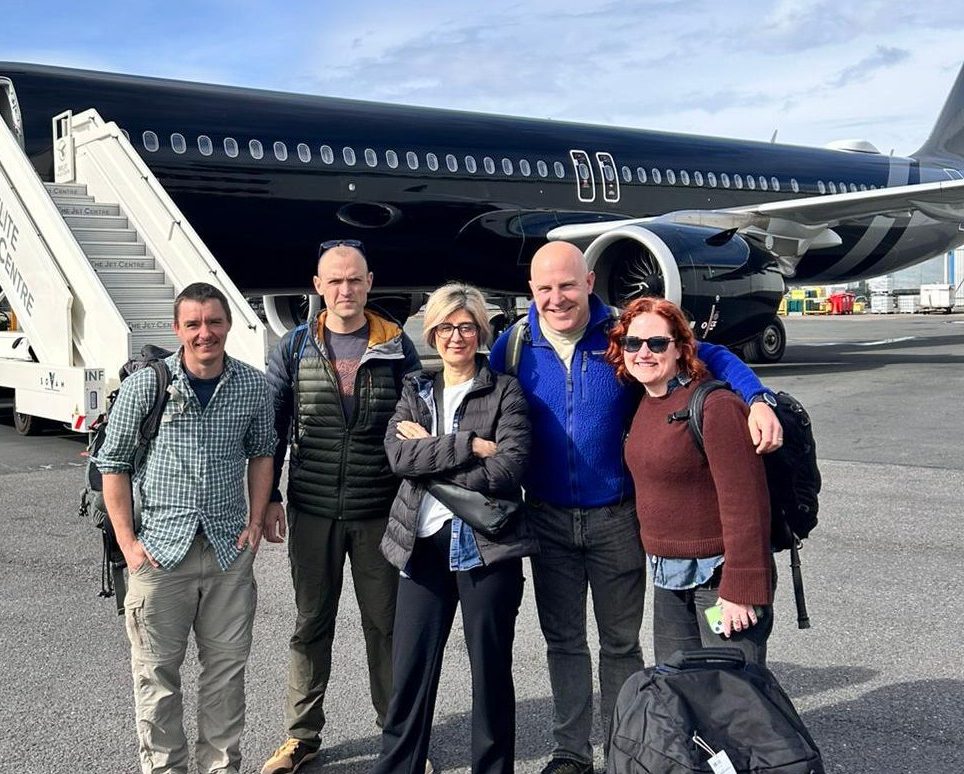
The UK Emergency Medical Team (UK EMT) deployed to Sierra Leone in late 2025 at the invitation of the Sierra Leone Ministry of Health and Sanitation and National Public Health Agency, and with support from World Health Organization, to embed in Connaught hospital in Freetown, to address surgical and rehabilitation needs after the Mpox outbreak. These needs present due to chronic debilitating wounds that develop after an Mpox infection, often in the genitalia area, that require specialized plastic surgery, wound care, and rehabilitation.

Upon assessing the situation, a pattern was recognised by the team. Many people affected by Mpox spoke not only about their physical symptoms, but about the emotional and social toll of the illness. Many described low mood and anxiety, a growing sense of isolation, worries about relationships and intimacy, a loss of purpose, and a deep fear of discrimination.
Aminata’s experience reflects this wider picture. She encountered the UK EMT through hospital services while receiving care. Like many others, her journey with Mpox was shaped not just by the disease itself, but by the challenges it brought to her mental wellbeing, her sense of connection, and her confidence about the future.
During the UK EMT response in Sierra Leone, the team worked with local partners to create a psychosocial rehabilitation group grounded in dignity, choice, and participation. The group brought together people affected by Mpox, alongside members of the Sierra Leone Epidemic Action Network (SLEAN), psychosocial nurses from Connaught Hospital and the staff from the UK EMT, including rehabilitation, nursing, medical, and operations staff.
The group was designed as a welcoming, drop-in space, a place to come exactly as you were. People could stay for a few minutes or for the whole session. There was no expectation to speak, no pressure to share, and no requirement to take part.
Participants, including Aminata, were given the space to choose how they were involved. What mattered most was that people felt safe and respected. Some would choose to sit quietly and listen, while others joined conversations or took part in group discussions.

Conversations focused on everyday life, personal strengths, and shared experiences, rather than on illness. In this space, people were seen first as individuals, not as patients.
Following initial sessions, participants decided that the group should continue, with future sessions led by the national psychosocial nurses. This was a clear sign of trust and hope for the future.
“When small changes appeared, hope grew. Caregivers and peer support played a major role.”
– Jeff Boniface – UK EMT Rehabilitation Specialist
Aminata, like others, was living with multiple challenges after Mpox, but by choosing to attend the group, they supported one another, shared encouragement, and began to slowly rebuild confidence and social connection.
As stories were shared, something shifted. People began to realise they were not alone, that their fears, struggles and hopes were understood by others in similar circumstances.
Aminata described the group as a place where she felt seen, respected, and understood, away from the social stigma and fear of discrimination often associated with Mpox across West Africa.
She now hopes to continue rebuilding her life and strengthening her relationships — to feel confident in her role within her family and community again.